How to Choose a Video Production Company
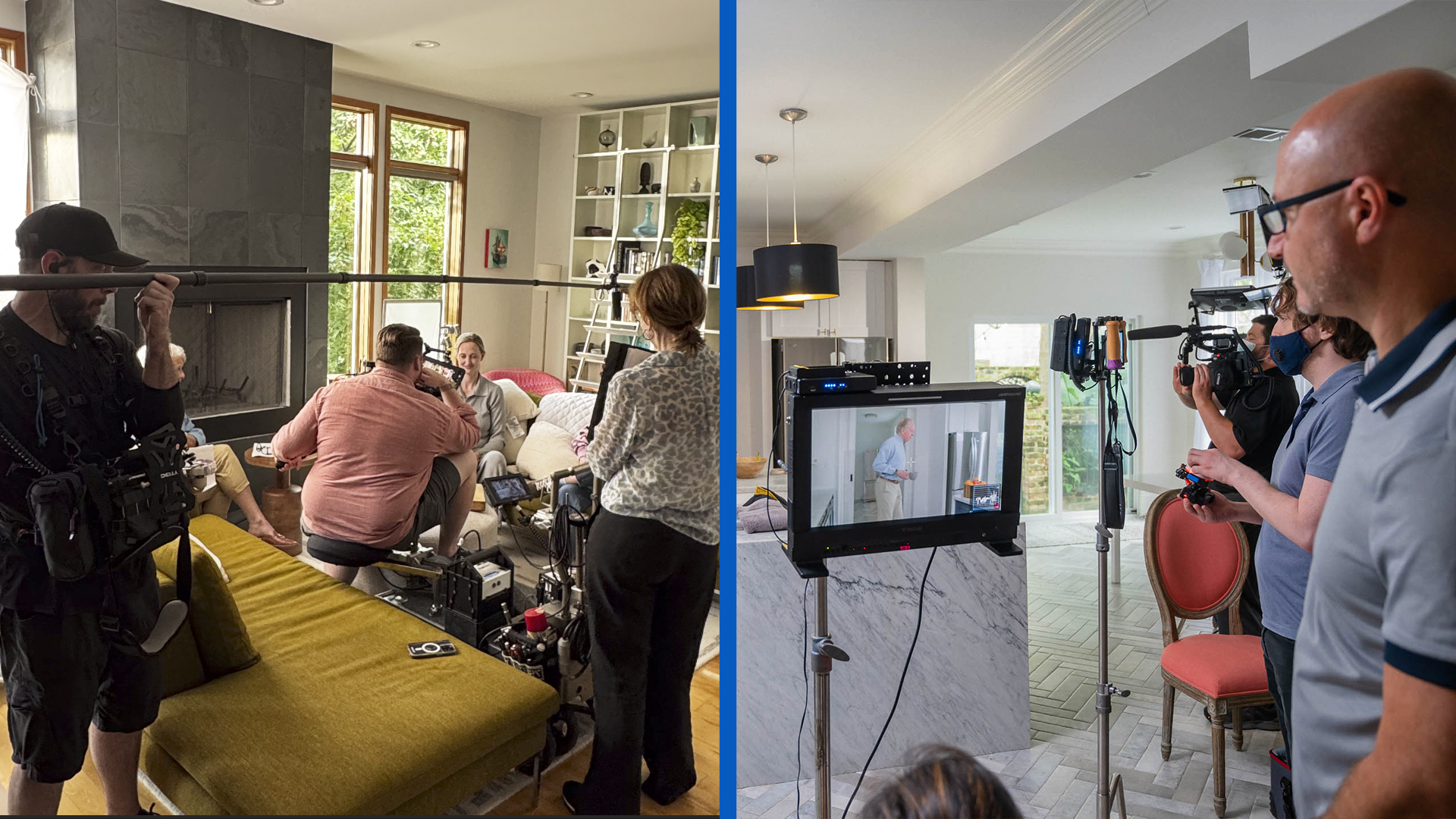
How to Choose a Video Production Company: 10 Critical Factors to Consider
Video can be your brand’s competitive edge or its biggest waste of budget, and finding the right production partner is the key to winning this battle. With buyers researching across websites, social feeds, OTT, and trade shows, the wrong production partner can leave you with a beautiful piece that doesn’t move the needle. The right one starts with strategy, designs creative that fits your audience and channels, and delivers on time with the formats you actually need.
This guide walks you through the criteria that matter when choosing a video production company, ensuring you know exactly what to look for when exploring your options.
How to Evaluate a Video Production Company
Not all video production companies are made equal, and there are ten criteria that separate a great production partner from a mediocre one.
1. Start with Strategy: Goals, Audience, and Channels
Before you compare reels, define what the video must achieve, who it’s for, and where it will live. Platform-first planning affects everything from script length and captions to aspect ratios and sound design, so it’s critical to align your KPIs upfront and insist on a measurable plan. Ask vendors these questions to ensure their capabilities align with your strategy:
- What business outcome will this concept drive, and how will we measure it?
- Which versions are included for social, paid, web, events, and OTT?
- How do you protect brand voice across edits and channels?
2. Review Their Portfolio for Range and Relevance
A strong portfolio proves two things: range (formats and industries) and relevance (work like yours, at your scale). Don’t just watch the sizzle reel; scan case work that shows objectives, constraints, and results. Look for variety (live action, animation, motion graphics, etc.), consistency of craft, and evidence that they can adapt style to brand. Portfolios and case studies are the best predictors of fit, so consider asking:
- Which parts were done in-house vs. Outsourced?
- How did you tailor the creative to the audience/channel?
- Show me three projects like mine. What was the brief, the challenge, and the outcome?
3. Validate Their Full Capabilities
A great partner can carry your vision from an idea to finished assets without costing you time and quality. It’s essential to look at their full production capabilities, including:
- Pre-Production: Evaluate their strategy, concepting, scriptwriting, storyboarding, and scouting abilities.
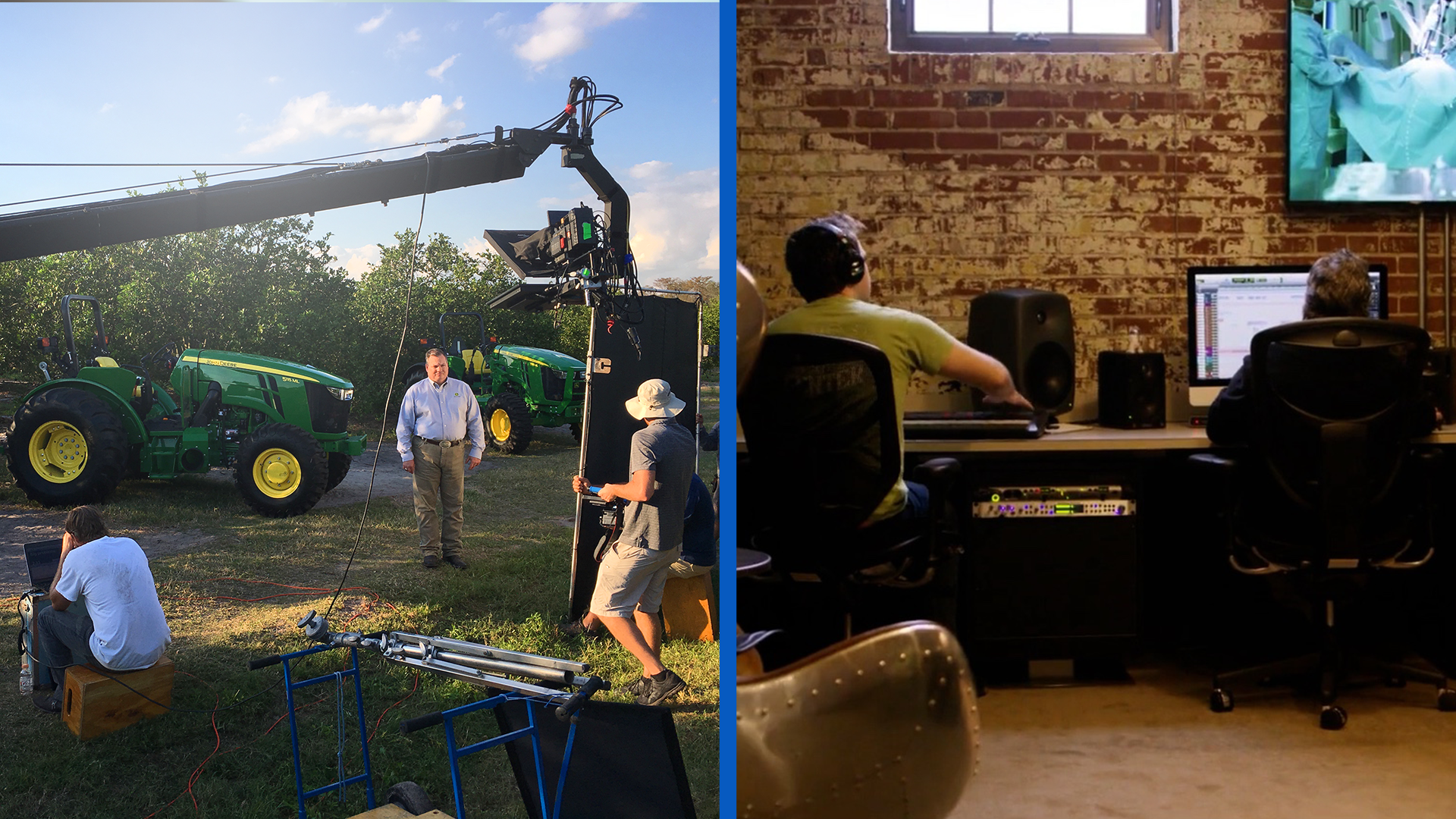
- Production: Explore their staffing and shooting choices, from producers and directors to studio and on-location setups. Ask what equipment they use, whether opting for full sound/lighting packages or investing in advanced equipment like drones and camera tracks.
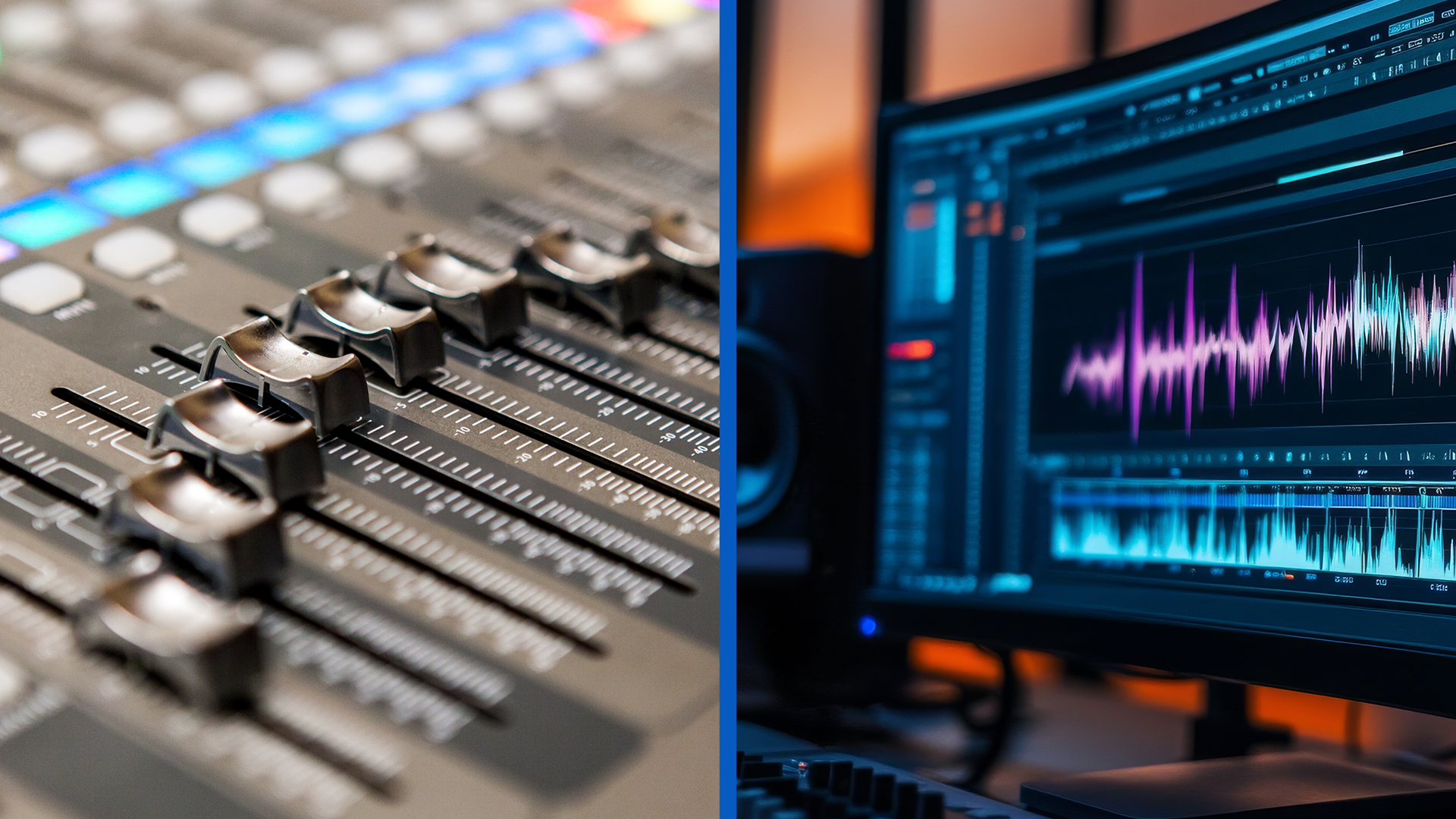
- Post-Production: Investigate their editing and graphics options, ranging from motion design and animation to color and sound design.
4. Team, Tools, and Infrastructure
People do the work, while the facility keeps it moving. Prioritize who will touch your project and the tech stack they’ll use. It’s important to ask who’s on your project, not just who’s on the website, and what facilities they will use to create the content. Some companies have their own in-house studio, while others opt for rented spaces or shooting on-location. It’s also essential to explore their collaboration options, as some companies may only serve specific areas. Consider asking:
- Who are the day-to-day leads and what similar work have they completed?
- What edit/sound/color infrastructure will you use on our project?
- How do you handle asset security, backups, and final handoff?
5. Creative Approach and Collaboration Style
Your video should feel on-brand and built for where it will be posted. That comes from a clear creative process and a collaboration style that keeps stakeholders aligned and feedback efficient. Ask how the team protects brand voice, handles rounds of edits, and adapts creative for different channels without diluting the core idea. Some of these questions could be:
- When do we review scripts, boards, and rough cuts?
- How many feedback rounds are included at each stage?
- Will we collaborate in person, remotely, or both? How are reviews scheduled and delivered?
6. Quality Signals: Awards, Clients, and References
Awards and logos aren’t a substitute for strategy, but they do show their ability and build trust. Look for third-party recognition, recognizable brands, and most importantly, references that speak to outcomes. Prioritize specific results, repeat engagements, and how the team performed under timelines, budgets, and complexity. Consider asking the company:
- Which clients have hired you more than once and why?
- Can you share work you have done in our industry or projects that had similar brand requirements?
- Can you share two references and what the goals, constraints, and results were?
7. Budgeting, Scoping, and ROI
Make bids comparable by asking for an itemized scope (pre/production/post), versioning for each channel, talent/usage rights, travel, and contingencies. Align on what metrics will show success and clarify how results will be measured.
Cheapest isn’t usually best, as under-scoped pre-production or post-production can force reshoots or leave you without the specific cuts you need. Look for flexibility to scale the crew, gear, and deliverables to the outcome instead of finding a one-size package. For more information, ask the company:
- How will you scale crew and gear to fit our budget and KPIs?
- What do you expect travel, locations, and revisions to look like for this project?
- Can you provide an itemized scope for what’s included?
8. Logistics, Compliance, and Risk Management
Great creative can still fail if logistics slip. Confirm insurance, permits, releases, and music/licensing before choosing a production partner. Ask about safety plans, accessibility (captions), backup/archiving processes, and NDAs for sensitive products or regulated industries. Also make sure they can handle multi-location shoots, aerials, and secure asset handoffs. To confirm these details, ask:
- What’s your plan for captions, accessibility, and delivery specs?
- Do you use licensed drone pilots and follow local airspace rules?
- How are our files backed up during/after production and what’s your archive policy?
9. Distribution-Ready Deliverables
Strong production partners plan distribution from day one so you don’t end up with a single master. Ask for platform-specific versions, aspect-ratio variants, and cutdowns/teasers. Also confirm file specifications, naming, and handoff processes so assets slot cleanly into your CMS, ad platforms, and more. Consider asking the video production company:
- Which deliverables and aspect ratios are included?
- What cutdowns, teasers, or stills will we get and how are the files organized for handoff?
- How do you plan creative so it adapts across channels without losing the core idea?
10. Industry Fit: Regulated and Technical Details
If you’re in healthcare, industrial/B2B, government, or education, you need a team that is fluent in compliance, product complexity, and stakeholder sign-offs. Look for companies that have completed projects in your industry and ask how they handled approvals, accuracy checks, and sensitive environments. Additional questions you can ask include:
- How were compliance revisions reviewed and tracked?
- What challenges did you solve (locations, privacy, safety) and how?
- What guardrails (legal, compliance, brand) have you managed on regulated industry projects?
Aligned Media Video Production Capabilities
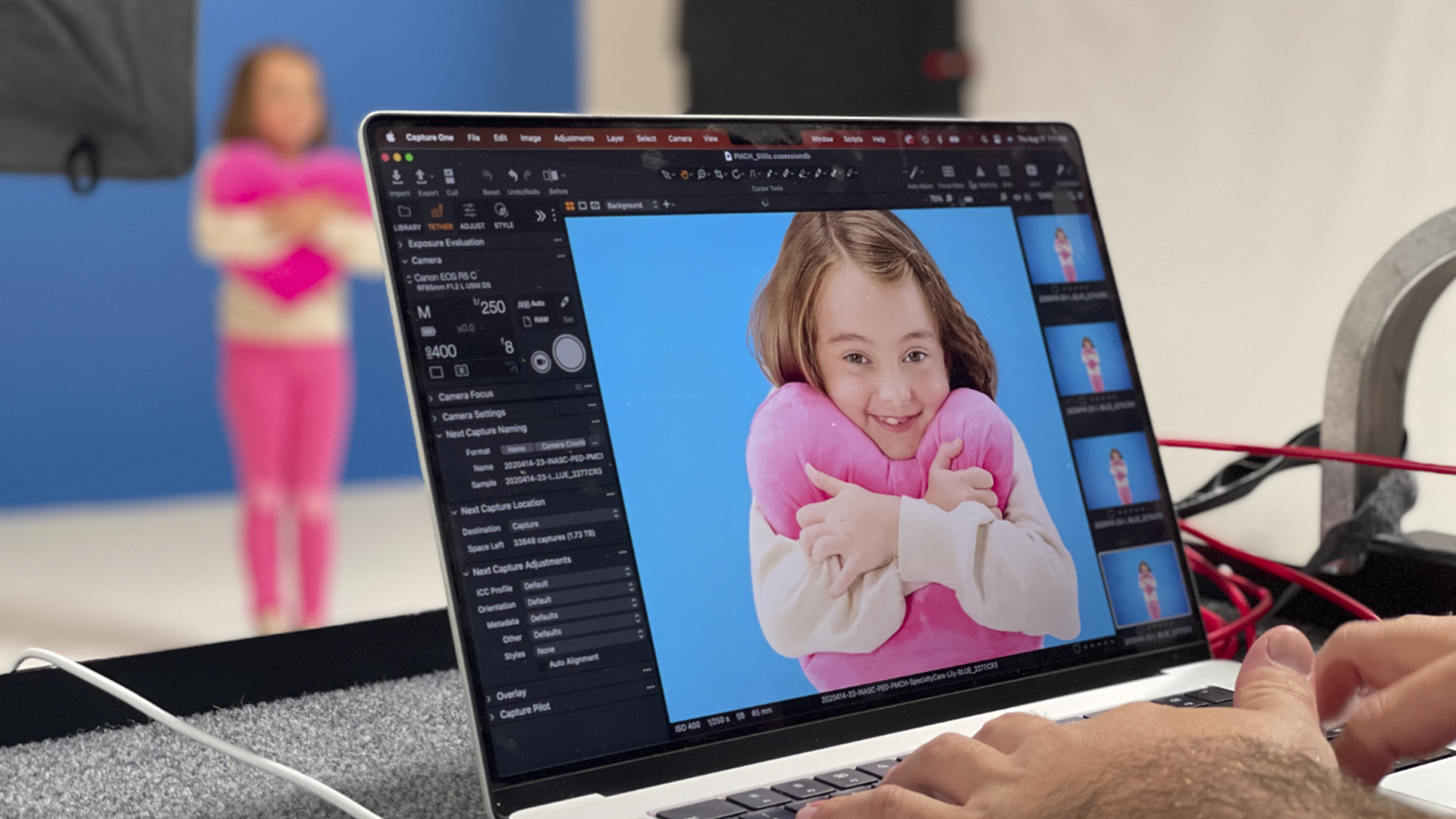
Aligned Media is a true end-to-end partner, offering complete services from strategy and pre-production through production and finishing. The team plans and executes everything under one roof: creative development, scriptwriting, storyboarding, casting, location scouting, directing, cinematography, still photography, and permitting, then carrying projects through post with editing, motion design, animation, color, sound design, and VFX. Our process is deliberately “concept to cut,” so deliverables are scoped for the channels you need from day one.
Our process is backed by a purpose-built studio, an 11,000-sq-ft facility in St. Louis’ Arts District with four edit/animation suites, a dedicated sound design suite, two small stages, and a multi-use design space to keep crews, clients, and post in tight sync. On the tech side, we run a high-speed shared SAN, gig-internet, 3D-accelerated workstations, and formal backup/archiving to keep workflows fast and assets safe.
In practice, our infrastructure allows us to deliver platform-ready packages with the flexibility to plug in anywhere and to travel when needed. Our services span live action, post-production, and dedicated 2D/3D animation and VFX, enabling brand stories that scale from broadcast spots to TikTok posts without sacrificing consistency.
Trust Aligned Media with Your Video Production Needs
Choosing a video production partner is ultimately about de-risking your investment and increasing the odds that your content moves the needle. When you evaluate strategy first, then pressure-test portfolio relevance, full-stack capabilities, team and infrastructure, collaboration style, quality signals, scope transparency, logistics, distribution readiness, and industry fit, the “right choice” becomes clear.
Aligned Media is built for that standard, providing a strategy-first, end-to-end video production workflow that suits all industries and brands of every size. If you’re ready to turn a brief into measurable outcomes, contact us today to create your video production plan.
[ Contact Us ]
Other Blog Posts
Say Hi
We hope you’re as excited to get started on your project as we are. From short-form social media videos like Instagram Reels, TikTok videos, and YouTube Shorts to long-form content like high-end documentaries, we want to bring your creative vision to life.
As a full-service video production company, we are equipped to work with you during every single step of the video production process. This ensures a fast turnaround time and lower costs since no outsourcing to third-party content creators or video editing agencies is required.
When you want high-quality video content from professional editors who are personally invested in your project, drop us a line or stop by for a chat. Whether it’s a quick brainstorming session or a longer strategy meeting with our dedicated video editors, we’re always ready to create something amazing at pricing that works for you.
Let’s make your next video project one for the books. Contact Aligned Media today to get started bringing your vision to life with our personalized video editing services!